Friday, February 11, 2011
Govt lifts export ban on non-basmati rice
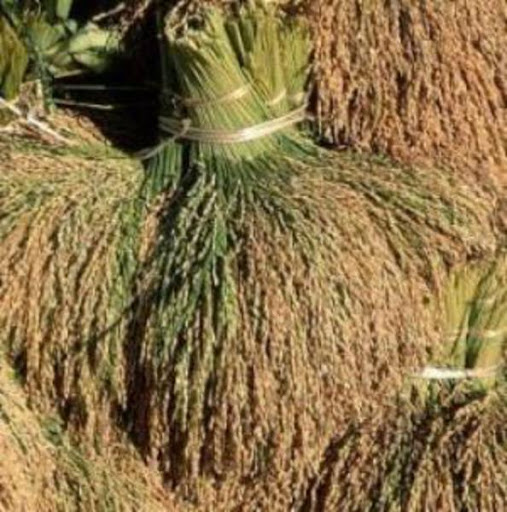 The government today allowed the export of three varieties of non-basmati rice grown in the southern states in anticipation of bumper crop production this year.
Partially lifting a three-year old ban, the government has permitted exports of 'Ponni Samba' and 'Matta' varieties of basmati, subject to a cap of 25,000 tonnes each, while shipments of 'Sona Masuri' have been permitted with a cap of 1,00,000 tonnes, the Directorate General of Foreign Trade (DGFT) said in a notification.
"Certain varieties of rice (Sona Masuri, Ponni Samba and Matta) are permitted to be exported with a limit on quantity of export for the KMS (Kharif Marketing Season), 2010-11," the DGFT said, adding that the export ban continues on other varieties.
Exemptions from the export ban would also be contingent upon the value of shipments exceeding $850 per tonne.
These varieties are grown in Tamil Nadu, Kerala, Andhra Pradesh and Karnataka.
According to the Agriculture Ministry, rice production will rise to 94 million tonnes in the 2010-11 crop year from 89 million tonnes in the previous year.
The DGFT, an arm of the Commerce Ministry responsible for export and import-related matters, said that overseas shipment of two varieties of onions has also been permitted, subject to a licence.
"The export of Bangalore Rose onions and Krishnapuram onions is now restricted and their export shall be permitted under licence," it said, adding that the ban on exports of other varieties of onions will continue.
The government had banned the export of onions early this January to rein in soaring onion prices, which touched Rs 70-85 per kg on December 21, 2010, in retail markets of major metros.
The decisions were taken on Wednesday by an Empowered Group of Ministers headed by Finance Minister Pranab Mukherjee.
(Source: http://www.business-standard.com/india/news/govt-lifts-export-bannon-basmati-rice/125434/on)
Vietnam to stockpile 1 million tons of rice
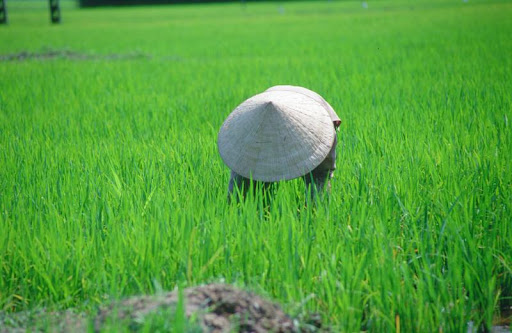 Hanoi - Vietnam, the world's second-largest rice exporter, plans to stockpile 1 million tons of rice to help sustain the market for farmers amid low prices, authorities said Friday.
Truong Thanh Phong, chairman of Vietnam Food Association said the plan was agreed between the association and its 60 members Thursday.
Exporters have not been eager to buy rice from farmers because they have signed few contracts with importers, so the price of rice has been low as farmers in the Mekong Delta begin harvesting.
Under the association's plan, exporters would begin buying and the price would increase.
Those companies are to offer prices that would allow farmers to make a profit of at least 30 per cent, Phong said.
Vietnam's biggest rice importer, the Philippines, has not signed any contracts with Vietnam this year. However, the country, which has imported 1.5 million to 2 million tons of Vietnamese rice in recent years, was expected to again buy at least 1.5 million tons this year, the association said.
Instead of focusing its exports on the Philippines, Vietnam has signed contracts with Indonesia and Bangladesh, which allowed Vietnam to export 485,000 tons of rice in January, up 36 per cent from the same month last year, the association said.
Phong reassured companies that the price of rice this year would be higher than last year so companies should be confident to stockpile the crop.
In 2010, Vietnam exported 6.75 million tons of rice for 3.23 billion dollars, second only to Thailand.
The Vietnamese government plans to export 6 million tons of rice this year, a little bit lower than last year because stockpiles are lower than last year.
(Source: http://www.earthtimes.org/articles/news/366817,stockpile-million-tons-rice.html)
Govt lifts export ban on non-basmati rice
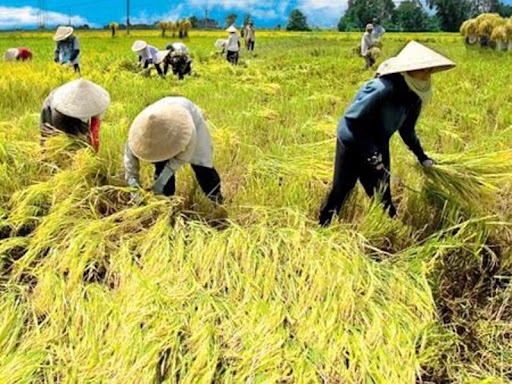 The government today allowed the export of three varieties of non-basmati rice grown in the southern states in anticipation of bumper crop production this year.
Partially lifting a three-year old ban, the government has permitted exports of 'Ponni Samba' and 'Matta' varieties of basmati, subject to a cap of 25,000 tonnes each, while shipments of 'Sona Masuri' have been permitted with a cap of 1,00,000 tonnes, the Directorate General of Foreign Trade (DGFT) said in a notification.
"Certain varieties of rice (Sona Masuri, Ponni Samba and Matta) are permitted to be exported with a limit on quantity of export for the KMS (Kharif Marketing Season), 2010-11," the DGFT said, adding that the export ban continues on other varieties.
Exemptions from the export ban would also be contingent upon the value of shipments exceeding $850 per tonne.
These varieties are grown in Tamil Nadu, Kerala, Andhra Pradesh and Karnataka.
According to the Agriculture Ministry, rice production will rise to 94 million tonnes in the 2010-11 crop year from 89 million tonnes in the previous year.
The DGFT, an arm of the Commerce Ministry responsible for export and import-related matters, said that overseas shipment of two varieties of onions has also been permitted, subject to a licence.
"The export of Bangalore Rose onions and Krishnapuram onions is now restricted and their export shall be permitted under licence," it said, adding that the ban on exports of other varieties of onions will continue.
The government had banned the export of onions early this January to rein in soaring onion prices, which touched Rs 70-85 per kg on December 21, 2010, in retail markets of major metros.
The decisions were taken on Wednesday by an Empowered Group of Ministers headed by Finance Minister Pranab Mukherjee.
Vietnam to increase rice exports
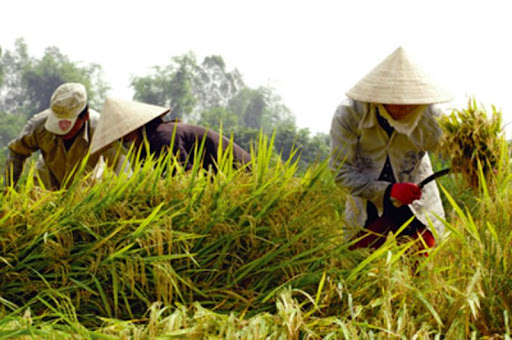 Vietnam plans to increase its rice exports this year in a move to assist farmers.
Truong Thanh Phong, chairman of the Vietnam Food Association (VFA), told yesterday meeting that besides exporting to Indonesia and Bangladesh, VFA would try to secure orders from Cuba, Iraq, Malaysia and the Philippines.
Mr. Phong stated that Vietnamese rice has an advantage over Thai and Pakistani rice as it is cheaper.
Philippine is expected to import 1.5 million tons of rice this year and Indonesia too will be importing a large volume by mid-year. Vietnam must therefore gear itself to avail of this export market at the appropriate time.
VFA is hence preparing to assign its members of 65 companies to purchase one million tons of rice at the market price, but no less than VND5, 000 per kilogram, for storage from early March to mid April.
These enterprises will be given preferential loans at low interest rates to buy rice stocks.
Le Minh Truong, director of Song Hau Food Company, said that VFA must clearly instruct and monitor companies to buy rice from farmers at reasonable rates otherwise they will buy and export at very low rates causing a stiff competition amongst local exporters.
According to VFA, Vietnam exported over 485,000 tons of rice by January 31, 350,000-400,000 tons more than their set target. The average export rate was US$503.46 per ton (FOB price), showing a US$39.54 hike per ton.
The country plans to export a further 700,000 tons in February and 500,000-600,000 tons in March. In total, the rice exports will touch around 1.8 million tons in the first quarter.
Local rice firms have registered to export 1.515 million tons of rice to Indonesia and Bangladesh, of which 4.484 million tons has already been sent and the remaining 1.031 million tons will be delivered this month.
(Source: http://www.saigon-gpdaily.com.vn/Business/2011/2/89582/)
Thursday, February 10, 2011
Wheat’s Rally to Fuel Gains in Rice, Zeigler Predicts
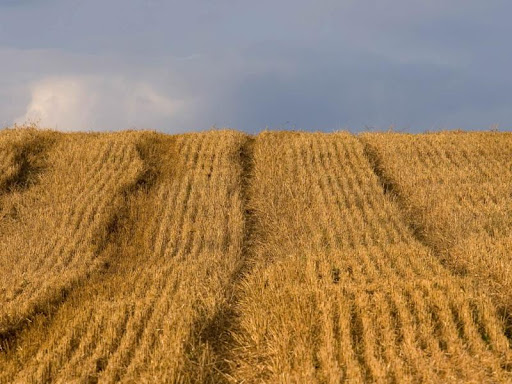 Rice, the staple food for half the world, may advance following a rally in wheat prices as consumers seek alternatives, according to Robert Zeigler, director general of the International Rice Research Institute.
“If wheat production falls, people will have to substitute with something in their diet: rice is the easiest one,” Zeigler said in an interview on Bloomberg Television today. There are no signs of panic buying at this stage, Zeigler said.
Wheat climbed to the highest level in more than two years this week on concern drought inChina may curb output, boosting competition for dwindling global supplies. The jump may fuel further gains in global food costs, which reached a record last month. The world’s neediest people are most affected by rising food costs, World Bank President Robert Zoellick said yesterday.
Wheat on the Chicago Board of Trade, the global benchmark, touched $8.9325 a bushel on Feb. 9, the highest level since Aug. 25, 2008. The grain has surged 71 percent over the past year afterRussia banned exports and floods hurt crops in Canada and Australia. Rough-rice futures, trading today at $16.07 per 100 pounds in Chicago, have gained 12 percent in the past year.
China, the top wheat consumer, is having a prolonged drought in its main growing region, according to Minister of Agriculture Han Changfu. The nation will spend 12.9 billion yuan ($1.96 billion) to bolster grain production and fight the drought, Premier Wen Jiabao has said.
The International Rice Research Institute, or IRRI, is a research center in the Philippines that develops crop varieties and farm techniques to help growers to improve yields and quality, according to its website. Zeigler has more than three decades experience in agricultural research.
Rice exporters demand export lift from north varieties of rice
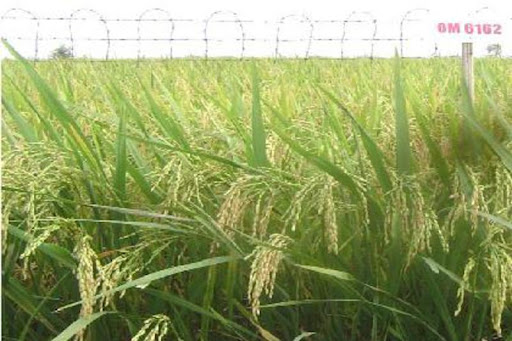 New Delhi, Feb 10 (PTI) Rice exporters today demanded that the government allow exports of premium varieties of non-basmati rice grown in north such as ''Sugandha'' and ''Sharbati'' on the lines of the decision taken with regard to South Indian varieties yesterday.
"The decision taken by the government seems to be an incomplete decision and this will benefit states like Tamil Nadu, Kerala, Andhra Pradesh and Karnataka," All India Rice Exporters Association President Vijay Setia said reacting to government''s decision to lift ban on three rice varieties.
"Instead of commercial or economic decision, it looks like a political decision keeping an eye on elections in the southern states," Setia added.
He, however, noted that this would definitely help farmers of South India, who were getting less price for their premium rice.
Buoyed by prospects of higher rice production this year, the government yesterday decided to lift the three-year old ban on exports by allowing shipment of three varieties of the non-basmati grain grown in the four southern states.
Rice research centre loses land to govt projects
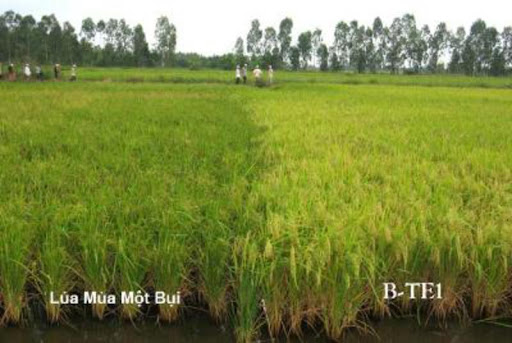 KORAPUT: Shortage of land has hit rice-research hard at the Regional Research and Technology Transfer Sub-Station (RRTTS) at Jeypore.
Officials said RRTTS, which is run by the OUAT, Bhubaneswar, had 27 acres of land to carry out rice research. However, this has drastically come down due to illegal encroachments and government projects.
In late 80s at least three acres of land of the RRTTS was used for the main canal of the Kolab dam. Now, five acres of land is going be absorbed by the Centre sponsored Ranchi-Vijayawada corridor which will pass through the sub-station. Moreover, in the absence of any boundary wall, a few acres of the sub-station has been illegally encroached.
According to the junior breeder of RRTTS Parshuram Sial, as the dry up-land of the sub-station will be used for the road project, the aerobic rich research work of the sub-station will be adversely affected.
"We asked the concerned officials to provide us with five acres of land in some other place near the sub-station but to no avail. The sub-station also needs a boundary wall to stop encroachments by private parties," he added.
The centre was established 1936 by the then King of Jeypore to preserve the indigenous varieties of paddy of the area. Later, it came under the state agriculture department and in 1968 it was transferred to the OUAT. Till date, at least 170 varieties of locally produced paddy, including 40 scented types, have been preserved by the centre. Manaswani and Prathika varieties of paddy developed by the centre in 2008 yield around 35 quintals of paddy from an acre of land which is much higher than most other varieties.
"The RRTTS has been instrumental in preserving several home-grown paddy-varieties of the area and supplying seeds to the farmers. All efforts should be made to ensure that the research work of the centre is not hit by scarcity of land," said a Koraput based tribal researcher, Paresh Rath.
(Source: http://timesofindia.indiatimes.com/city/bhubaneswar/Rice-research-centre-loses-land-to-govt-projects/articleshow/7470854.cms)
Pakistan’s Rice Shipments May Fall 11% After Floods, Group Says
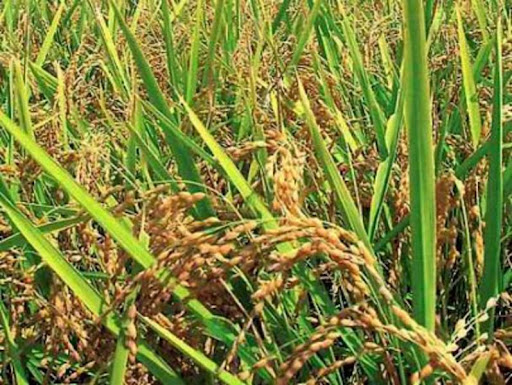 Pakistan, the world’s third-largest rice exporter, may ship 11 percent less of the grain this year after floods destroyed standing crop, a traders’ group said.
“We may export as much as 4 million tons in the year ending June 30 because the floods washed away 700,000 tons of the crop,” Irfan Ahmed Sheikh, chairman of the Rice Exporters Association of Pakistan, said in an interview by phone from Karachi today. Pakistan’s rice exporters sold 4.5 million tons worth $2.2 billion in the year ended June 30, 2010 Sheikh said.
Pakistan’s deadliest floods last summer destroyed $3.3 billion worth of crops, according to the farm ministry. Pakistan has shipped $1 billion worth of rice in the seven months ended Jan. 31, the association said in a statement earlier this week.
The group had estimated in December it would export 4.6 million tons.
Philippines lowers rice import target
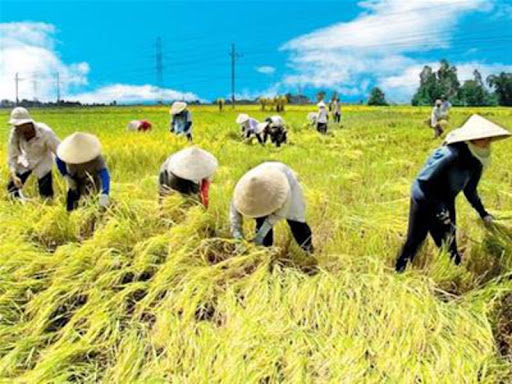 The Philippine government will be buying less than one million metric tons of rice for 2011, with initial purchases to be made within the first quarter, Agriculture Secretary Proceso Alcala said on Wednesday.
“What is recommended is about 1.3 million metric tons. But we’re confident we will not fill that volume,” Alcala told reporters.
Field reports indicate that “we might have robust harvest after all,” Alcala said.
The government maintains that the rice output target of 17.4 million MT target for 2011 is possible since the La Nina phenomenon will not reduce production and that measures had been put in place since last year to expand the area planted to rice. Last year, rice production contracted by 3.04 percent to 15.77 million MT due to El Nino.
While the government was urging the private sector to bring in the grains import need with assistance from the National Food Authority, it is not discounting the possibility of getting into government-to-government deal.
“We’re are also assessing the situation. We have a memorandum of agreement with Vietnam but we are beholden on that MOA. We may or may not source rice from Vietnam. We still have that option,” said Alcala.
He the initial volume will be decided within the next two weeks.
The government has already allocated 163,000 MT rice for importation by the private sector under the country specific quota, a commitment to the World Trade Organization.
The concession allows that Philippine government to curb rice importation to protect local farmers, but it has to import from four countries only, specifically Thailand, India, Australia and China.
The volume forms part of the recommended rice importation for the year. The government will also recommend to add to the total volume the arrival of some 56,000 MT rice from Vietnam which was held for safekeeping in Vietnam for lack of government storage facility.
All government warehouses remain full to the brim with as much as 1.7 million MT rice in its possession.
Total rice inventory as of the January 31 was about 3.39 million metric tons. The bulk remains with the government while as much as 1.13 million MT are with the households. The commercial sector has in its possession about 563 million MT.
Wednesday, February 9, 2011
Bulog told to buy 3.5m tons of rice from farmers
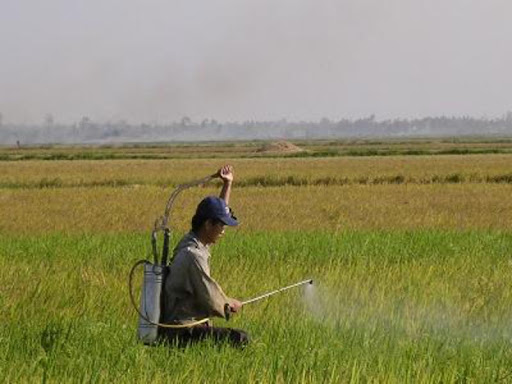 The government wants the State Logistics Agency (Bulog) to buy millions of tons of rice from farmers to secure a steady supply of the staple food and curb further price increases.
Coordinating Minister for the Economy Hatta Rajasa said that Bulog, which maintains the government’s rice reserve, would need to procure at least 3.5 million tons of rice during the February and April harvests to maintain a ready reserve of 1.5 million tons.
“We ask Bulog to be proactive in the market to absorb [farmers’] rice production to meet the people’s demands if necessary,” he told reporters after a meeting at his office in Jakarta.
Bulog was also expected to up its rice stock gradually to 2 million tons in the future “to be safe”, Hatta said, since elsewhere in the world nations were also “maximizing their food stocks”.
“We’re gradually heading in that direction [2 million ton annual rice stock]. I will see that rice procurement is realized this year, so Bulog must continually absorb farmers’ rice,” Hatta said.
Climate anomalies have resulted in crop failures in Indonesia, a domestic consumption-reliant country where rice is considered the main staple food.
Indonesia imported 1.23 million tons of rice in 2010 from Thailand and Vietnam to ensure a sufficient stock and maintain price stability.
Rice imports would stop after the harvest season began in March because, since according to the government’s calculations “there will be rice shortage from January to February, when our stocks are too low” Hatta said.
The government has vowed to go “all out” in securing the supplies of the staple food in the country, including by providing fertilizer and seeds to farmers, as well as by giving Bulog more flexibility in the procurement of unhusked rice from farmers.
“The presidential decree for those [two measures] will be launched soon. I have finished the material in January,” Hatta said.
The government will also provide 1,000 dryers in rice production centers across the country if heavy rainfall damages the quality of the rice production.
The decline in the rice supply has resulted in an increase in prices during the last two months. The price of standard quality rice reached about Rp 7,400 a kilogram in January, up from about Rp 6,400 in the same month last year.
Overall food prices surged 18.25 percent in January, bringing inflation to a 21-month high of 7.02 percent last month.
Rice and chili contributed the most to the increase, accounting for 0.22 percent of the overall headline inflation rate.
However, Central Statistics Agency (BPS) chair Rusman Heriawan said there was a slide in rice and chili prices in the first two weeks of February due to the upcoming harvest season, while an upward trend was seen in soybean prices.
“Soybean price hike will affect tofu and tempeh prices,” Rusman said after the meeting, adding that, overall, inflation would ease this month as expectations of heavy production would rise due to the upcoming harvest.
Deputy Agriculture Minister Bayu Krisnamurthi said the price hike was due to soaring international soybean prices, and, according to him, soybean production would likely not meet targets in 2011.
(Source: http://www.thejakartapost.com/news/2011/02/10/bulog-told-buy-35m-tons-rice-farmers.html)
BD to buy 200,000 tonnes Thai rice
 * First govt deal to import rice from Thailand
* Aims to boost reserves amid record global food prices
DHAKA: Bangladesh will buy 200,000 tonnes of parboiled rice from Thailand, the world’s top rice exporter, as it seeks to ensure supplies of the staple in the face of record food prices, a Bangladesh food ministry official said.
The official, who declined to be identified, did not give the cost of the rice but said on Wednesday shipment would start within one month, with Bangladesh paying for the insurance. A Bangladeshi delegation visited Thailand last week to negotiate the purchase.
The government, already battling a food price inflation rate of 11 percent, is moving to speed up grain imports and stabilise domestic prices. Analysts expect food costs to rise further in coming months in step with rising global commodity prices.
This is the first time Bangladesh is buying rice from Thailand in a government-to-government deal. “The government is not doing business. We are ensuring food security to avoid any crisis,” another food ministry official said. Analysts say Bangladesh faces unrest if prices continue to rise, given that nearly 40 percent of its population survive on less than $1 a day. Although it is the world’s fourth-biggest rice producer, Bangladesh has emerged as a major importer this year and is desperately looking for dependable sources as once traditional supplier India keeps a ban on grain exports.
Food security priority: Prime Minister Sheikh Hasina told parliament on Wednesday that her government was trying to build adequate reserves of grains to ensure security of food supplies, especially for poor and middle-income people. “Keeping food supplies steady and prices within people’s buying capacity is our priority, and if needed we will suspend development activities to ensure food for all,” she said.
Neighbouring India is ready to export 300,000 tonnes of rice to Bangladesh at prices below the international market, a Bangladesh foreign ministry statement said on Tuesday. Thai rice rose to $545 per tonne from last week’s $540 per tonne on the back of loading demand after exporters committed last month to sell 820,000 tonnes of rice to Indonesia. Benchmark Thai 100 percent B grade white rice prices RI-THWHB-P1 are likely to rise to $550 a tonne by the end of February and $567.5 a tonne in March. reuters
(Source: http://www.dailytimes.com.pk/default.asp?page=2011\02\10\story_10-2-2011_pg5_27)
Indonesia rushes to boost rice stockpiles, Philippines holds fire
 Feb 9 (Reuters) - Indonesia on Wednesday aimed to lift its rice stockpiles by a third as it struggles to fight food inflation, though steady buying by top importer the Philippines and a bumper crop from top exporterThailand may ease market pressure.
Traders said other governments in the region and further afield may also look to increase stocks despite ample supplies in Thailand and No. 2 exporter Vietnam to quell food inflation.
"Rising supply from the world's top two exporters is likely to weigh prices down. However, there could be steady demand from traditional buyers such as the Middle East, African countries and demand elsewhere in Asia that could help support prices," said Kiattisak Kallayasirivat of trading firm Novel Agritrade.
Thai rice rose to $545 per tonne from last week's $540 per tonne on the back of loading demand after exporters committed last month to sell 820,000 tonnes of rice to Indonesia.
Indonesia asked state procurement agency Bulog to lift rice imports to 2 million tonnes on Wednesday, which followed the country surprising markets last month by buying five times as much rice as expected, while the Philippines also on Wednesday said it may import less than 1 million tonnes planned this year despite a recommendation from a government agency to go above that level.
Benchmark Thai 100 percent B grade white rice prices RI-THWHB-P1 are likely to rise to $550 a tonne by the end of February and $567.5 a tonne in March from around $540 a tonne now, given expectations of additional orders from Indonesia, Bangladesh and Sri Lanka, according to a Reuters poll.
But rice has lagged other staple grains last year, falling 13 percent while corn and wheat surged 50 percent. Rice prices have only gained 2 percent this year and are far below a record $1,050 a tonne hit in 2008.
Reuters technical analyst Wang Tao sees Thai white rice rising into a range of $630-$673 per tonne over the next three months
Even at that level however, supplies of CBOT rough rice , now trading around $313.5 a tonne, are unlikely to flow heavily into Asia as local grades are preferred.
Still, perceived panic buying by governments as global food prices have climbed to record highs in recent months on shrinking supplies of wheat, corn and oilseeds has kept the market watchful.
Indonesia surprised markets last month by buying nearly five times as much rice as expected, and then suspended rice import duties in a move that signalled it could look to stockpile more.
Growing Asian demand and speculation over panic buying has already pushed prices for the grain higher, adding to inflation that hit a 21-month high of 7 percent in Indonesia last month, though Thailand and Vietnam are poised to see new harvests.
Indonesia's government met to discuss food security on Wednesday and chief economic minister Hatta Rajasa said it would gradually lift stockpiles from a current 1.5 million tonnes, underlining its fears over shortages leading to price spikes.
Food price inflation led the central bank to hike interest rates last week for the first time in two years, and protests over food prices were seen as a major factor in the ousting of Indonesia's long-term autocratic ruler Suharto in 1998.
NEW CROPS
Other traders said rice prices could drop in the coming weeks on increased supply because Vietnam, the world's second biggest rice exporter, is due to start harvesting its major winter-spring rice crop by end-February.
Vietnam's winter-spring rice crop accounts for around 48 percent of the country's total rice production of around 39-40 million tonnes and most of the output are for exports.
"Prices will fall in March as there are no more government deals while the Philippines has not detailed its importing plan but it may buy less than last year," a trader said.
Thailand is also about to start harvesting its second crop, expected to be around 9.5 million tonnes, the highest ever and well above 8.8 million tonnes last year.
Indonesia's own harvest will start in March, when it sees prices starting to ease and imports are not allowed to avoid damaging farmer earnings. The country said it had already secured 1.33 million tonnes of imports by December.
Indonesia has set a target to produce 69 million tonnes of unmilled rice this year, up from 65 million tonnes in 2010.
Its import buying is a turnaround from minimal purchases last year and shows efforts by Southeast Asia's biggest economy to be self-sufficient in the staple have not succeeded.
Indonesian President Susilo Bambang Yudhoyono has called on people to start planting food at home, and told the World Economic Forum in Davos that the next economic war could be over the race for scarce resources, due to growing populations.
By contrast in the Philippines, policymakers appear not to be overtly worried about rising food costs -- the central bank is expected to leave policy rates unchanged at a record low on Thursday, and has said there is no evidence that commodity prices are spilling over into the broader economy.
The country may buy less than 1 million tonnes of rice this year despite a government panel recommendation for a higher purchase volume, with forecasts of a good first quarter crop, a government official said on Wednesday.
Early rains this year have helped rice crops and along with hefty stockpiles from previous years' imports, gives Manila -- the world's biggest buyer in recent years -- room to buy less than the record 2.45 million tonnes it purchased last year.
"We are preventing over-importation because our farmers will be disadvantaged," said agriculture secretary Proceso Alcala. (Additional reporting by Karen Lema, Erik dela Cruz and John Mair in MANILA, Apornrath Phoonphongphiphat in BANGKOK, Fitri Wulandari in JAKARTA and Ho Binh Minh in HANOI; Editing by Ed Lane)
(Source: http://www.reuters.com/article/2011/02/09/asia-rice-idUSL3E7D90GB20110209)
Rice imports seen dropping below 1M tons
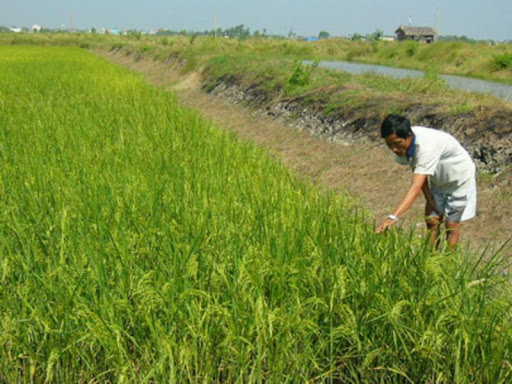 The country will import less than 1 million tons of tons this year because of an expected bumper harvest, Agriculture Secretary Proceso Alcala said yesterday.
The country used to import 10 percent of its annual rice needs and was the world’s top rice importer.
The Philippines ordered 2.4 million tons of rice in 2009 but most of it was delivered in 2010, according to the National Food Authority.
"The condition of the palay is outstanding and I have personally seen these fields all over the country," Alcala said during the Yearend Economic Briefing.
Alcala said import orders will be placed as early as the first quarter, with shipments arriving in June right after the dry season harvest.
"There’s a proposed figure of 1.3 million metric tons by the technical working group of the department, but that‘s just for worst-case scenarios. We don’t really need more than a million," said Alcala.
"It is quite dangerous if we run for imports right away. There’s no rush, for this might affect and destroy the prices of the rice that our farmers make right after harvesting this summer," he said.
Alcala said importation by the previous administration was excessive.
Indonesia to boost rice stocks amid global food fears
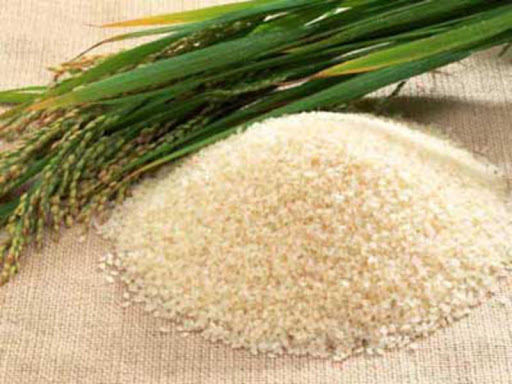 JAKARTA (Reuters) – Indonesia ordered hefty rice imports on Wednesday to boost stocks by a third in the latest sign that governments concerned about rising food prices and dwindling supplies are rushing into the market and could drive inflation even higher.
Global food prices have climbed to record highs on shrinking supplies of wheat, corn, soybean and oilseeds. While rice has been less of a worry thanks to ample supplies in the top two exporters, Thailand and Vietnam, traders said other Asian governments may soon seek to boost rice stocks too.
Adding to gathering nervousness among governments over food supplies, China plans subsidies to boost grain output this year, state radio said in a report on its website.
"Maintaining a stable grain output increase has a very important meaning to managing inflation expectations, stabilizing general consumer prices, and realizing rapid and stable economic growth as well as social harmony and stability," the report said, citing a regular state council meeting held by Premier Wen Jiabao on Wednesday.
The impact of Cyclone Yasi in Australia has exacerbated food worries. The chairman of Australia's main sugar industry group Canegrowers said up to a quarter of the sugar cane crop in the state of Queensland may have been lost.
"Given there has been such a wide area of impact from this cyclone, we are looking at losses on the outer edges of 5 to 10 percent and close to the center of the cyclone up to 50 percent of the crop could be lost," Alf Cristaudo told Reuters in an interview.
The latest monthly grains report from the U.S. government threatened to further stoke concerns over crops being increasingly used for fuel. The U.S. Department of Agriculture slashed its forecast for corn stockpiles 9 percent, projecting the tightest supply since the Great Depression as a record amount of the crop is used to make ethanol.
Problems with Australia's wheat crop as well as lingering effects of last summer's drought in the Black Sea region have boosted the role of the United States on the export market.
In January, global food prices tracked by the United Nations Food and Agriculture Organization hit their highest level on record. The FAO said last week its Food Price Index rose for the seventh month in a row to reach 231 in January, the highest level since records began in 1990.
The rising prices have raised concerns over inflation, protectionism and social unrest, factors behind the 2008 food crisis, and prodded the G20 to promise action.
WILL RICE PRICES SURGE TOO?
Indonesia's government met to discuss food security on Wednesday. Chief Economic Minister Hatta Rajasa asked state procurement agency Bulog to secure imports to gradually boost rice stockpiles to 2 million tonnes from the current 1.5 million tonnes, underlining fears shortages could cause price spikes.
Traders said other governments may also look to increase stocks despite ample supplies in Thailand and Vietnam.
Bangladesh said it was buying 200,000 tonnes of parboiled rice from Thailand in their first government-to-government deal for the grain.
The Philippines, however, held back on importing more despite a recommendation by a government panel to build stocks above a 1 million ton target.
Traders also warned of a remote chance the top two exporters, facing food inflation pressures as well, may choose to keep more supplies at home.
"Rising supply from the world's top two exporters is likely to weigh prices down. However, there could be steady demand from traditional buyers such as the Middle East, African countries and demand elsewhere in Asia that could help support prices," said Kiattisak Kallayasirivat of trading firm Novel Agritrade.
Indonesia surprised markets last month by buying nearly five times as much rice as expected, then suspended rice import duties, signaling it could look to stockpile more.
Its import plans are a turnaround from minimal purchases last year and show efforts by Southeast Asia's biggest economy to be self-sufficient in rice have not succeeded.
Indonesian President Susilo Bambang Yudhoyono has called on people to start planting food at home, and told the World Economic Forum in Davos the next economic war could be over the race for scarce resources, due to growing populations.
Food price inflation led the central bank to hike interest rates last week for the first time in two years, and protests over food prices were seen as a major factor in the ousting of Indonesia's autocratic President Suharto in 1998.
By contrast in the Philippines, policymakers appear not to be overly worried about rising food costs. The central bank is expected to leave policy rates unchanged at a record low on Thursday, and has said there is no evidence that commodity prices are spilling over into the broader economy.
The country may buy less than 1 million tonnes of rice this year despite a government panel recommendation for a higher purchase volume, with forecasts of a good first quarter crop, a government official said.
Early rains this year have helped rice crops and along with hefty stockpiles from previous years' imports, gives Manila -- the world's biggest buyer in recent years -- room to buy less than the record 2.45 million tonnes it purchased last year.
"We are preventing over-importation because our farmers will be disadvantaged," said agriculture secretary Proceso Alcala.
Thai rice rose to $545 per ton from last week's $540 per ton on the back of loading demand after exporters committed last month to sell 820,000 tonnes of rice to Indonesia.
Benchmark Thai 100 percent B-grade white rice prices are likely to rise to $550 a ton by the end of February and $567.5 a ton in March from around $540 a ton now, given expectations of additional orders from Indonesia, Bangladesh and Sri Lanka, a Reuters poll shows.
Rice lagged other staple grains last year, falling 13 percent while corn and wheat surged around 50 percent. Rice prices have only gained 2 percent this year and are far below a record $1,050 a ton hit in 2008.
Still, Reuters technical analyst Wang Tao sees Thai white rice rising into a range of $630-$673 per ton over the next three months based on chart indicators.
Some traders say rice prices could drop in the coming weeks on increased supply because Vietnam is due to start harvesting its major winter-spring rice crop by end-February.
"Prices will fall in March as there are no more government deals while the Philippines has not detailed its importing plan but it may buy less than last year," one said.
Thailand is also about to start harvesting its second crop, expected to be around 9.5 million tonnes, the highest ever and well above 8.8 million tonnes last year.
(Source: http://news.yahoo.com/s/nm/20110209/wl_nm/us_asia_rice_3)
Philippines to Cut Rice Imports on ‘Better’ Output, Alcala Says
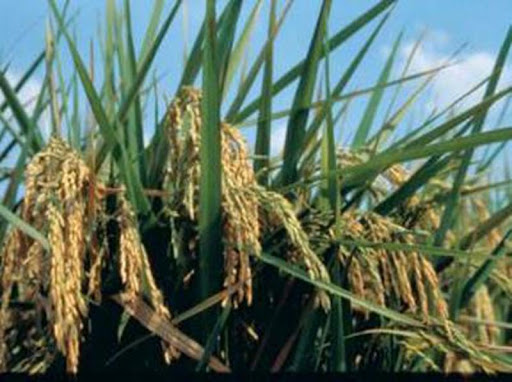 The Philippines, the world’s biggest buyer of rice, plans to almost halve the volume of imports in 2011 on expectations it’ll be a “better year” for local production, according to Agriculture Secretary Proceso Alcala.
Purchases from overseas may be between less than 1 million metric tons to as much as 1.3 million tons this year, compared with about 2.5 million in 2010, Alcala told reporters today. The imports will be undertaken by the state-run National Food Authority and private traders, Alcala said in Manila.
The volume and timing of Philippine imports can influence global rice prices, including in 2008, when they rose to an all- time high amid speculation that there was a global food crisis. Alcala said yesterday that this year’s rice-import volumes may be less than half of those in 2010. Chicago rice futures have gained 10 percent over the past year.
A government-to-government rice purchase may be considered, Alcala said, without identifying potential suppliers. The Philippines renewed an agreement to buy rice from Vietnam up to 2013, Alcala said on Jan. 7.
The Southeast Asian nation plans to “finish” agreeing to the rice-import contracts in the first half, and will spread deliveries throughout the year, Alcala said.
Rough rice traded at $15.92 per 100 pounds on the Chicago Board of Trade at 3:25 p.m. inSingapore today. The price reached $16.30 on Feb 3., the highest level since November 2008, and peaked at $25.07 in April 2008.
Tuesday, February 8, 2011
Rice exports cross $1bn in 7-mth FY11
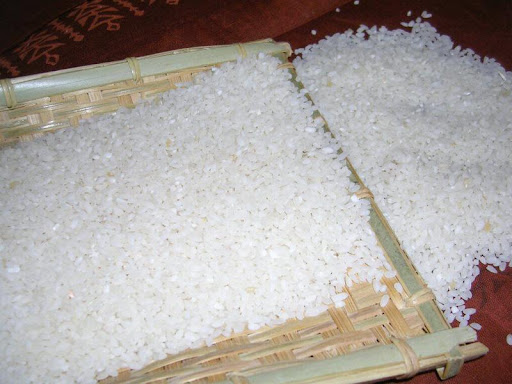 KARACHI: Rice exports of the country have surpassed $1 billion during the first seven months of the current fiscal year (FY 2011), figures released by Rice Exporters Association of Pakistan said Tuesday.
According to the figures, rice exports showing an increase of 5 percent have gone up to $1.2 billion during 7MFY-11, as compared to $1.14 billion in the corresponding period last year.
Although the rice exported is less in quantity, as 2 million metric tonnes has been exported in the said period compared with 2.3 million metric tonnes last year — but because of better average unit price of rice, the value is high, Irfan Ahmed Sheikh told Daily Times. The average unit price stands at $548 as compared to $492 last year, he said.
The exports of non-basmati rice remained decreased by 22 and 13 percent in quantity and value respectively, however basmati rice exports went up by 17 and 12 percent in quantity and value respectively during the said period.
REAP has been maintaining the earlier trend and exporters are very hopeful that the export of rice from Pakistan will cross $2 billion, Irfan said. However, last year exports were $2.2 billion.
Including South Africa, Middle East and Bangladesh remained major export markets during the first seven months. In order to explore new markets exporters delegations would be sent to Niger and Bangladesh.
He said that due to the recent disastrous floods, crops of non-basmati rice faced some damages in the province of Sindh, which also resulted into the rice export trade. However, it is a good sign that this year, “we are getting better price of our rice than last year.”
He said that exporters are putting huge investment and installing the latest rice machinery and imported rice plants and working towards the value addition of rice.
He said that the exporters are trying hard to find new ways and means of increasing export of Basmati, IRRI and parboiled rice from Pakistan to international markets. He was of the view efforts are being done to increase rice production to 7.5 million tonnes from existing 6.5 million tonnes by the year 2015 and new markets for the export of rice are also being explored.
He said rice exporters are facing serious issues, like law & order situation, power shortages, financing problems with State Bank of Pakistan etc. “We are very hopeful that if these problems are resolved, rice export industry will definitely give better results,” he said.
(Source: http://www.dailytimes.com.pk/default.asp?page=2011\02\09\story_9-2-2011_pg5_15)
Bangladesh says India to sell it 0.3m tonnes rice
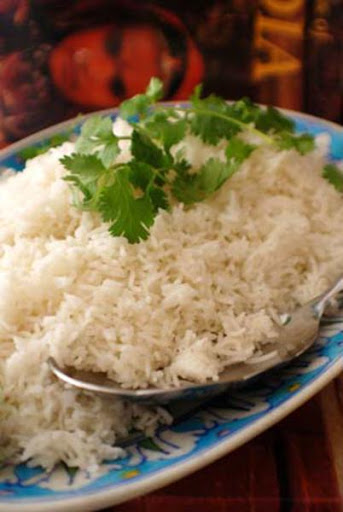 DHAKA: Bangladesh, facing high inflation, is to get 300,000 tonnes of rice from neighbouring India at below international market prices under a diplomatic deal, a Bangladesh foreign ministry statement said on Tuesday.
The statement was issued after Bangladesh Foreign Minister Dipu Moni on Monday met her Indian counterpart SM Krishna on the sidelines of a SAARC Council of Ministers meeting in Bhutan.
“Mr. Krishna informed that 300,000 tonnes of rice would be soon ready to be exported to Bangladesh at a price cheaper than the international market,” the statement said.
India is also ready to export 12,000 tonnes of sugar to Bangladesh, it added. reuters
(Source: http://www.dailytimes.com.pk/default.asp?page=2011\02\09\story_9-2-2011_pg5_32)
Sri Lanka says rice losses at 35 percent
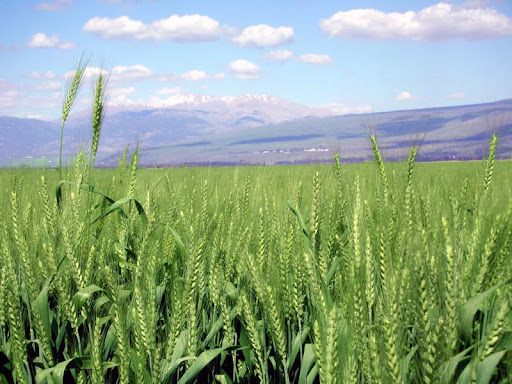 COLOMBO, Feb 8 (Reuters) - Two rounds of flooding in Sri Lanka since January have destroyed at least 35 percent of the staple rice crop, the Agriculture Ministry said on Tuesday, raising the risk of food price inflation.
Heavy monsoon flooding since mid-January has caused landslides and burst hundreds of dams and killed at least 57 people. In the latest round this week, rising water forced at least 193,700 people into temporary shelters.
The rice crop has taken a major beating, according to preliminary government surveys, but Asian rice traders said the impact on the global market will be minimal as the country has stocks and import volumes are expected to be small.
"On rough estimates, more than 300,000 hectares' have been completely destroyed so the total expected production is 1.75 million metric tonnes," Agriculture Ministry Secretary K.E Karunatilake, the ministry's top civil servant, told Reuters.
Total expected rice production this season had been 2.7 million metric tonnes (MT) from 739,000 hectares, he said.
Sri Lanka is usually self-sufficient in rice production, having produced 3.65 million metric tonnes in 2009 against an average annual consumption of 2.34 million MT, according to data from the central bank and Census and Statistics Department.
Last year it imported 52,000 tonnes of specialty rice. Despite self-sufficiency, politically influential traders are often accused of hoarding supplies.
The government as of now has 188,000 MT in stock, according to the Census and Statistics Department. It had no data on private stocks, but they have historically been larger than the government supply.
Current rice stocks and the potential for a larger crop in the May-September season "are likely to ease any prices pressures in 2011", the central bank said on Tuesday after holding rates steady and shrugging off inflation fears.
MARKET IMPACT SMALL
The end of a 25-year civil war in May 2009 has added about 169,000 hectares in the former war zone to Sri Lanka's twice-annual production, which the government has said will help mitigate any potential inflationary shocks. [ID:nSGE71703D]
"I do not see any major impact anywhere as Sri Lanka's crop size is relatively small. And the demand is also not big from there. Also, please remember that global rice supplies are going to increase by 3 percent this year," said Vijay Sethia, president of the All India Rice Exporters' Association.
Two government officials told Reuters that India would likely export rice via diplomatic channels if Sri Lanka needs it.
Sri Lanka plans to replant as quickly as possible, and after the first wave of floods in January sought World Food Programme assistance to acquire more fast-growing seed stocks.
"We are planning to get the replanting done by at least end of March but the biggest problem is that most of the seed paddy is also destroyed," Karunatilake said.
Although Sri Lanka has forecast inflation of 4 percent to 6 percent in 2011, the public has begun grumbling about high food prices, which are traditionally a politically sensitive issue in the Indian Ocean nation. [ID:nRISKLK]
"If the crop has been damaged they will definitely need to import rice, but it is a small market," said one Bangkok-based rice trader. "I don't think they will buy more than 100,000 tonnes. They will buy lower quality rice from Myanmar or Pakistan."
Global rice prices have remained largely stable despite food prices hitting a record high on fears of shrinking wheat and corn supplies.
Ample supplies from top rice exporters Thailand and Vietnam should keep prices in check through the first quarter, although stock-building by buyers like Bangladesh and Indonesia could push prices higher.
Benchmark Thai rice <RI-THWHB-P1> dropped 13 percent in 2010, while U.S. wheat <Wc1> and corn <Cc1> futures climbed around 50 percent as adverse weather hit key producing regions.
The world's second-largest rice exporter Vietnam was forecast to enjoy a bumper next crop, while top buyer the Philippines has said it would import between 1.0 million and 1.5 million tonnes in 2011, around half of last year's imports. (Additional reporting by Naveen Thukral in Singapore and Mayank Bhardwaj in New Delhi; Editing by Himani Sarkar)
(Source: http://www.trust.org/alertnet/news/sri-lanka-says-rice-losses-at-35-percent)
Japan Seeks to Buy Least Milling Wheat in Two Weeks
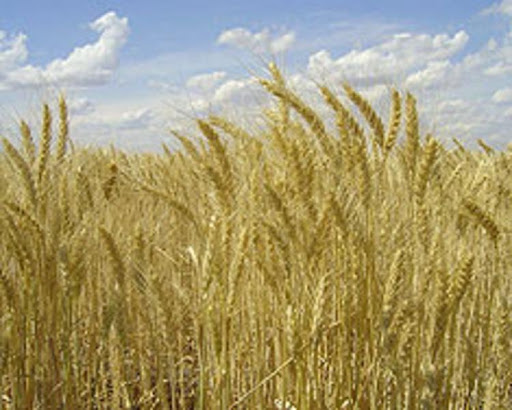 Japan is seeking to buy 164,574 metric tons of milling wheat from the U.S. and Canada in a regular tender on Feb. 10, the smallest volume in two weeks, the Ministry of Agriculture, Forestry and Fisheries said.
Shipment is set from April 1 to April 30, according to Toshiki Tojo at the ministry’s grain-trade division. The volume sought is the smallest since Jan. 27, when the government bought 61,603 tons.
The ministry, which controls overseas purchases and domestic sales of wheat to stabilize supply, is Asia’s largest buyer as a single entity. It has bought 4.44 million tons this fiscal year through regular tenders, surpassing the 4.26 million tons in the year to March 31.
Details of this week’s tender are listed below:
=============================================================
Wheat Exporter      Grade                         Metric Tons
=============================================================
U.S.                Hard Red Winter               39,383
                    Dark Northern Spring          85,037
Canada              Western Red Spring            40,154
=============================================================
Sunday, January 30, 2011
Rice Rebounds From Two-Year Drop as U.S. Crop Falls to 1989 Low
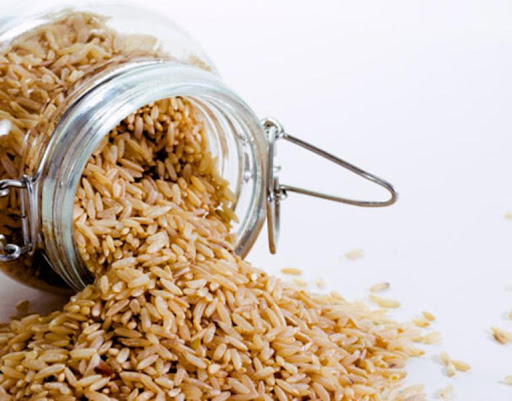 Jan. 31 (Bloomberg) -- U.S. farmers are planting the fewest acres with rice since 1989 just as global demand surpasses production for the first time in four years, driving prices as much as 12 percent higher by December.
Plantings in the U.S., the third-biggest shipper, may drop 25 percent this year because growers can earn more from corn and soybeans, according to the median in a Bloomberg survey of nine analysts and farmers. Rice, the staple food for half the world, declined 4 percent last year, extending a 2.9 percent drop in 2009. The other crops jumped 34 percent or more.
“Why would you want to take that risk to plant rice, knowing that your income is going to be way down?” said Terry Hatley, a farmer in Marked Tree, Arkansas, who may not plant any rice this year after growing the crop for more than three decades. “Farming is a business, and you’ve got to look at the economics of it. Now, the economics on rice are very dim.”
Bangladesh, South Asia’s biggest buyer, doubled a target for imports in 2011 to curb prices, the Directorate General of Food said last week. The Philippines, the world’s largest importer, will probably start buying next month, according to the National Food Authority. While global stockpiles are predicted to be 26 percent higher this year than in 2007, consumption will gain 3.4 percent and harvests 2.6 percent, the U.S. Department of Agriculture estimates.
The Thailand export price, the benchmark in Asia, may climb as high as $600 a metric ton by December from $534 on Jan. 26, a gain of 12 percent, according to the median estimate in a Bloomberg survey of eight traders, exporters and analysts.
‘Acreage War’
“The acreage war has begun,” said Dennis Delaughter, the owner of Progressive Farm Marketing Inc. in Edna, Texas, who expects futures traded on the Chicago Board of Trade to advance as much as 20 percent to a three-year high of $18 per 100 pounds by November. “Of all the futures markets in the agricultural sector, rice is the sleeper,” said Delaughter, who correctly predicted an 11 percent gain in prices last March.
Rice represents almost 50 percent of the food expenses of the poorest across the developing world, and 20 percent of total household spending, according to the International Rice Research Institute, based in Los Banos, the Philippines. In the U.S., 6 percent of incomes are spent on groceries, data from Euromonitor International show.
While the United Nations says global food prices climbed to a record in December, grain stockpiles have been replenished since 2007-2009, when the U.S. State Department estimates there were more than 60 food riots around the world.
Chicago Futures
Combined inventories of corn , wheat, rice and soybeans will end this year at 457.6 million tons, 21 percent more than in 2007, USDA data show.
Rice futures in Chicago closed at $15.01 per 100 pounds on Jan. 28, up 1 percent for the week and 40 percent below the record $25.07 per 100 pounds reached in April 2008. Traders anticipate prices no higher than $15.86 through January 2012, Chicago Board of Trade data show.
Hedge funds and money managers more than doubled their net- long positions, or wagers on rising prices, in the past two weeks, according to Commodity Futures Trading Commission data. Net-long positions were 3,403 contracts, the most in a year.
U.S. farmers have little incentive to stick with rice. Prices in Texas, the sixth-largest producing state, are only enough to break even, according to Larry Falconer, an economist with Texas A&M University’s AgriLife Extension in Corpus Christi. Switching to cotton, which has gained about 142 percent in 12 months in New York, would mean $200 an acre of profit, he said.
Soybean Futures
In Missouri, the fifth-largest U.S. producer, farmers can make about $50 more per acre on soybeans and $100 more on corn, said David Reinbott, an agriculture business specialist with the University of Missouri Extension in Benton. Corn and soybean futures climbed this month to the highest level since July 2008.
Wheat, corn and soybean prices jumped last year because crops were ruined by Russia’s worst drought in at least a half century, parched fields in Kazakhstan, Europe and South America and flooding in Canada. Rice prices fell because of ample supply. Output in the U.S. increased 7.6 percent to 7.44 million tons in the current marketing year, USDA data show.
U.S. production in the year that begins Aug. 1 will drop because farmers will plant 2.73 million acres, down from 3.64 million acres in 2010, according to the Bloomberg survey. The USDA’s first acreage estimate is scheduled for March 31.
A rally may spur governments to curb exports to protect supply and contain inflation, said Milo Hamilton, a former buyer for Uncle Ben’s, the rice unit of McLean, Virginia-based food and candy maker Mars Inc. Russia banned grain exports last year after its drought and Ukraine set quotas on shipments.
Bangladesh, Philippines
“The main problem, both now and in 2008, is whether countries will curb exports,” said Hamilton, the president of Firstgrain.com, a rice advisory service in Austin, Texas. “Twenty or 30 countries produce and export wheat, but I can look at my fingers and count the rice exporters.”
When rice surged to a record in 2008, India and Egypt banned shipments, Vietnam barred speculators from its domestic market and China imposed export taxes.
Global food prices rose 25 percent last year, according to the UN’s index. Food inflation in China, home to about 1.3 billion people, reached 9.6 percent in December while in India it stayed above 15 percent for a fourth consecutive week in the period ended Jan. 15, government data show.
Bangladesh doubled its rice import target to cool prices that surged to a record in December as consumers and farmers hoarded supplies, said Badrul Hasan, director for procurement at the Directorate General of Food in Dhaka. The goal was raised to 1.2 million tons for the year to June 30 from 600,000 tons.
Rice Brokers
The Philippines may import as early as next month, although probably less than last year, Lito Banayo, the head of the National Food Authority, told reporters on Jan. 11.
“The trigger will be pulled when the Philippines’ orders start coming in,” said Mamadou Ciss, the chief executive officer of Singapore-based rice brokers Hermes Investments Pte, who correctly predicted in 2006 that prices would double. Thai 100 percent grade-B rice may jump 22 percent to $650, he said.
Production in Thailand, the world’s biggest exporter, will increase 0.4 percent to 20.35 million tons this year, according to USDA estimates. In Vietnam, the second-largest shipper, output will be little changed at 24.98 million, the data show.
Vietnam will export about 6 million tons this year, compared with 6.75 million tons in 2010, Deputy Agriculture Minister Diep Kinh Tan said in an interview Jan. 4.
La Nina, the weather pattern that brought heavier-than- usual rainfall to parts of Australia and Asia in the past year, may persist through the second quarter, according to the Australian Bureau of Meteorology.
“There are so many reasons for prices to move up,” Dwight Roberts, president of the Houston-based U.S. Rice Producers Association, said by phone. “We sure are poised for a strong and upward movement in the market.”


